
Owen Gröbler is an award winning and published wildlife photographer, his expertise will assist you in taking your photography to the next level. Owen will help you to better understand your camera and when to use certain settings, then he will cover different aspects of wildlife / conservation photography such as composition, taking advantage of different light conditions and creativity. Owen offers comprehensive post processing Lightroom tutorials and volunteers will have ample time to edit and share their images with the group.
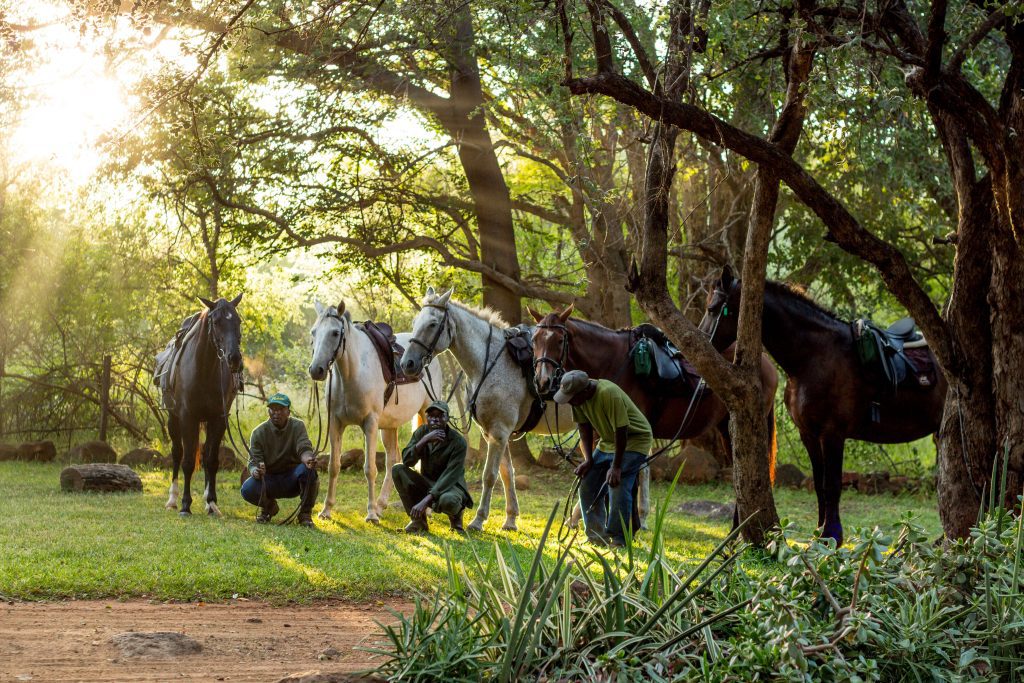
Cawston is a vast property and offers a host of photographic opportunities. From the nighttime star filled skies, wild animals in their natural environment (either on game drive or from the comfort of hides situated at a number of waterholes, including one sunken hide for that low angle perspective), to creating photography that will assist in promoting the conservation efforts of the property. This includes photographing the anti-poaching teams as they carry out their training or patrols, the goat herder and their furry counterparts, the horses, the scouts and the community during outreach days. The property has three elephants and photographing these impressive giants is always a treat.
With this programme, not only will you be enhancing your portfolio and skills as a wildlife photographer with a mix of theoretical and practical classes, you will also be making a difference by bringing awareness to wildlife and conservation projects / topics in Zimbabwe.
You will spend your time on Cawston, a 12 800ha property that is home to a wide variety of african antelope including giraffe, sable, eland, kudu and waterbuck. The property is also home to the elusive leopard and brown hyena, so you may get the chance to photograph these beautiful creatures during your stay as well. This project is guaranteed to enable you to grow as a photographer and leave Zimbabwe with an incredible wildlife and conservation portfolio as well as a sense of purpose having contributed to important conservation work being done on the property.
Cawston also boasts a one of a kind underground hide where you will be able to spend time and photograph any birds or wildlife that come to drink during hide sessions. This is an amazing opportunity to photograph wildlife at eye level and practice both patience and different camera settings as well as your creativity. Your photography instructor, Owen Grobler, believes in an applied learning approach to your tuition so your days will be a mix of theoretical tuition with practical opportunities to put into action the skills you have been taught.
You will need to bring your own equipment:
While volunteering your key activities can be broken down as follows:
Volunteers will engage with schools and communities in the surrounding areas and through the use of activities such as sports, game drives, animal interaction and storytelling we will consistently strengthen relations with community members, young and old, while working together to conserve the people’s natural heritage.
The outreach programme will primarily focus on the children in schools, aiming to nurture their love for nature and highlight how humankind and nature are interlinked.
PROJECT | DATES | DURATION | PRICING |
2024 | |||
Conservation & Wildlife Photography | 14 October - 21 October | 1 week | US$ 1 350 |
Conservation & Wildlife Photography | 11 November - 18 November | 1 week | US$ 1 350 |
Conservation & Wildlife Photography | 9 December - 20 December | 1 week | US$ 1 350 |
2025 | |||
Conservation & Wildlife Photography | 27 January - 3 February | 1 week | US$ 1 350 |
Conservation & Wildlife Photography | 24 February - 3 March | 1 week | US$ 1 350 |
Conservation & Wildlife Photography | 24 March - 31 March | 1 week | US$ 1 350 |
Conservation & Wildlife Photography | 7 April - 14 April | 1 week | US$ 1 350 |
Leopard Research & Wildlife Photography | 16 June - 30 June | 2 weeks | US$ 2 400 |
Leopard Research & Wildlife Photography | 25 August - 8 September | 2 weeks | US$ 2 400 |
Conservation & Wildlife Photography | 29 September - 13 October | 1 week | US$ 1 350 |
Conservation & Wildlife Photography | 10 November - 17 November | 1 week | US$ 1 350 |
Conservation & Wildlife Photography | 1 December - 8 December | 1 week | US$ 1 350 |
Looking for more information and details about our volunteer programmes and community outreach. Read our FAQ’s for the answers your seek.