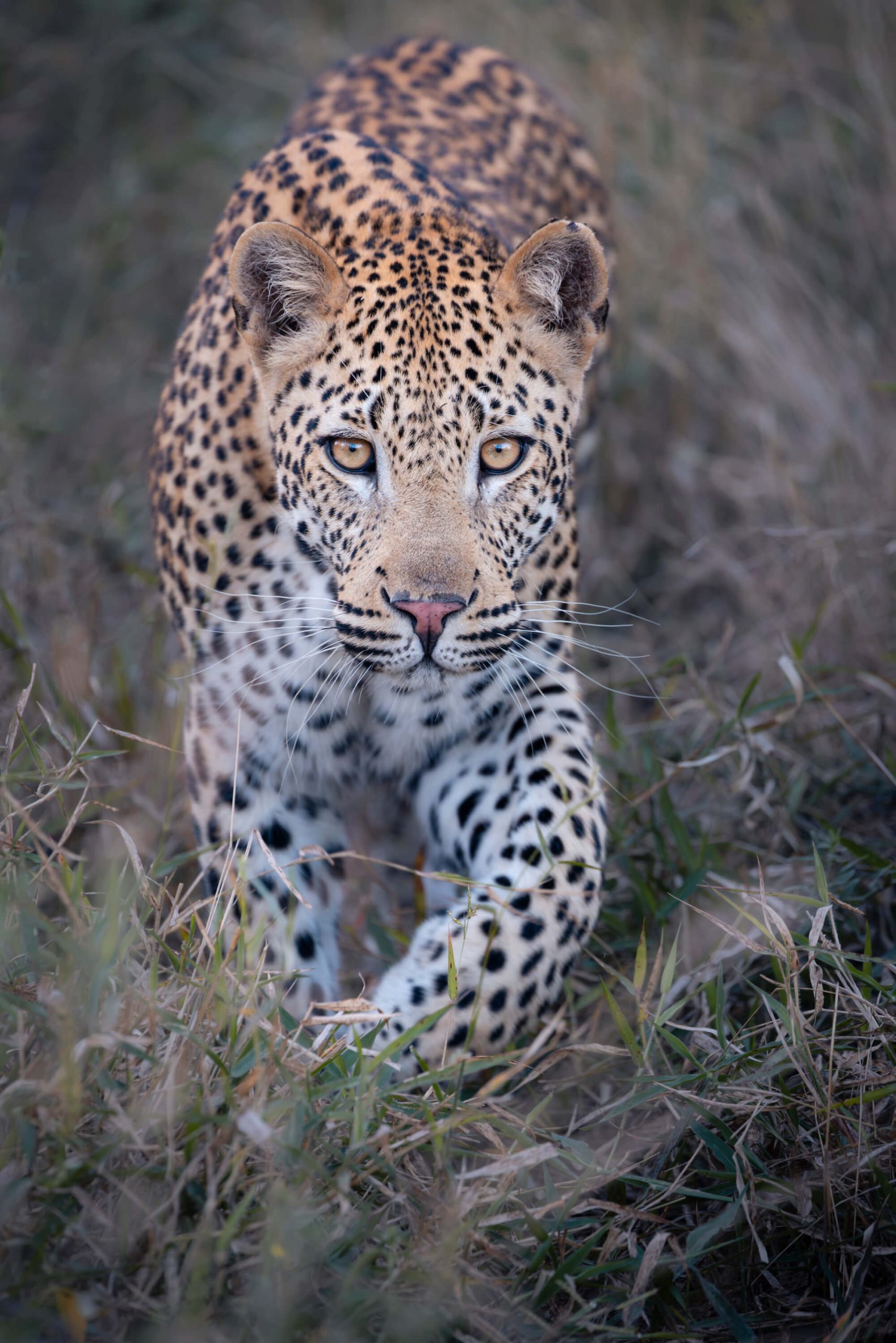
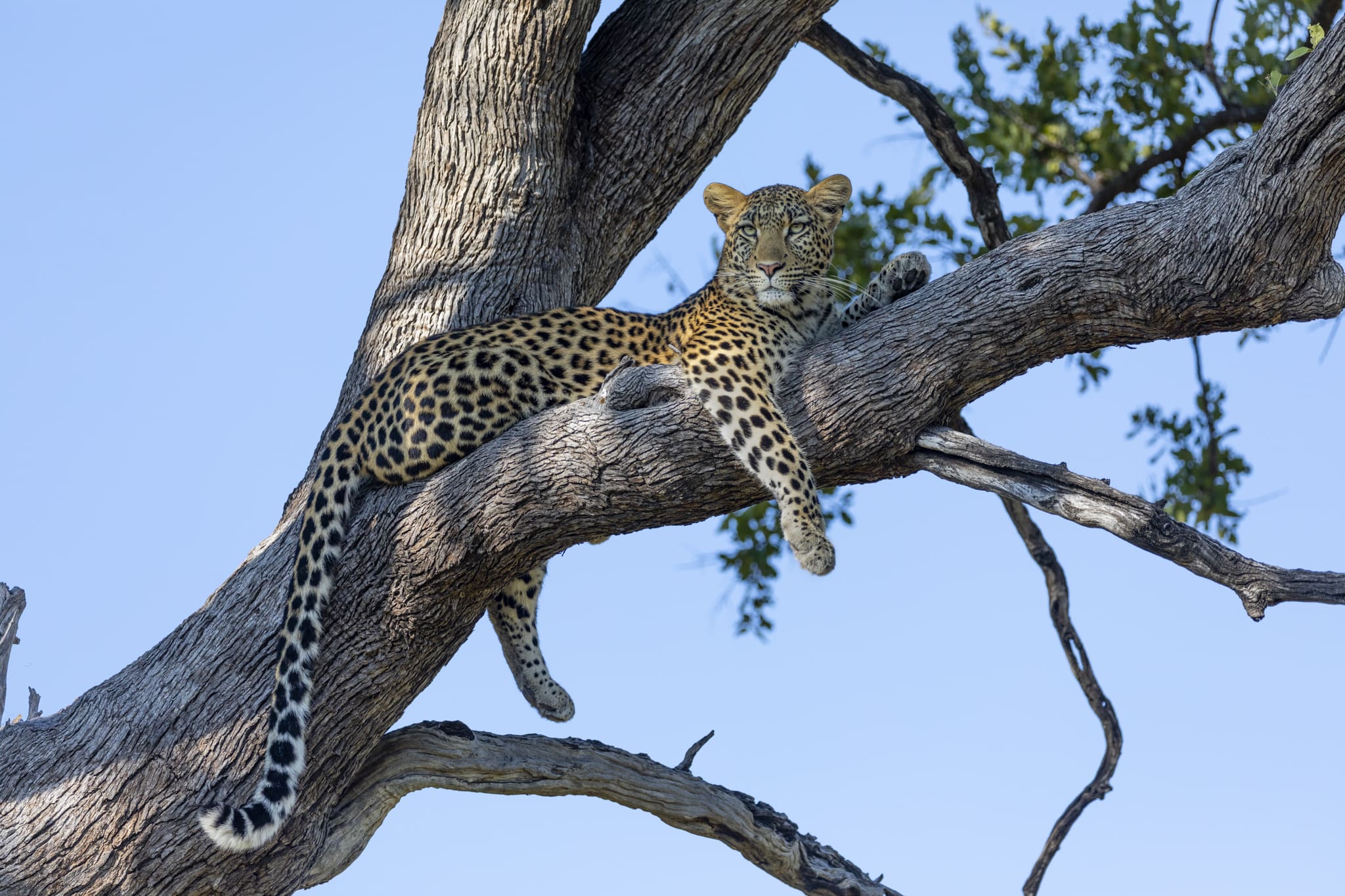
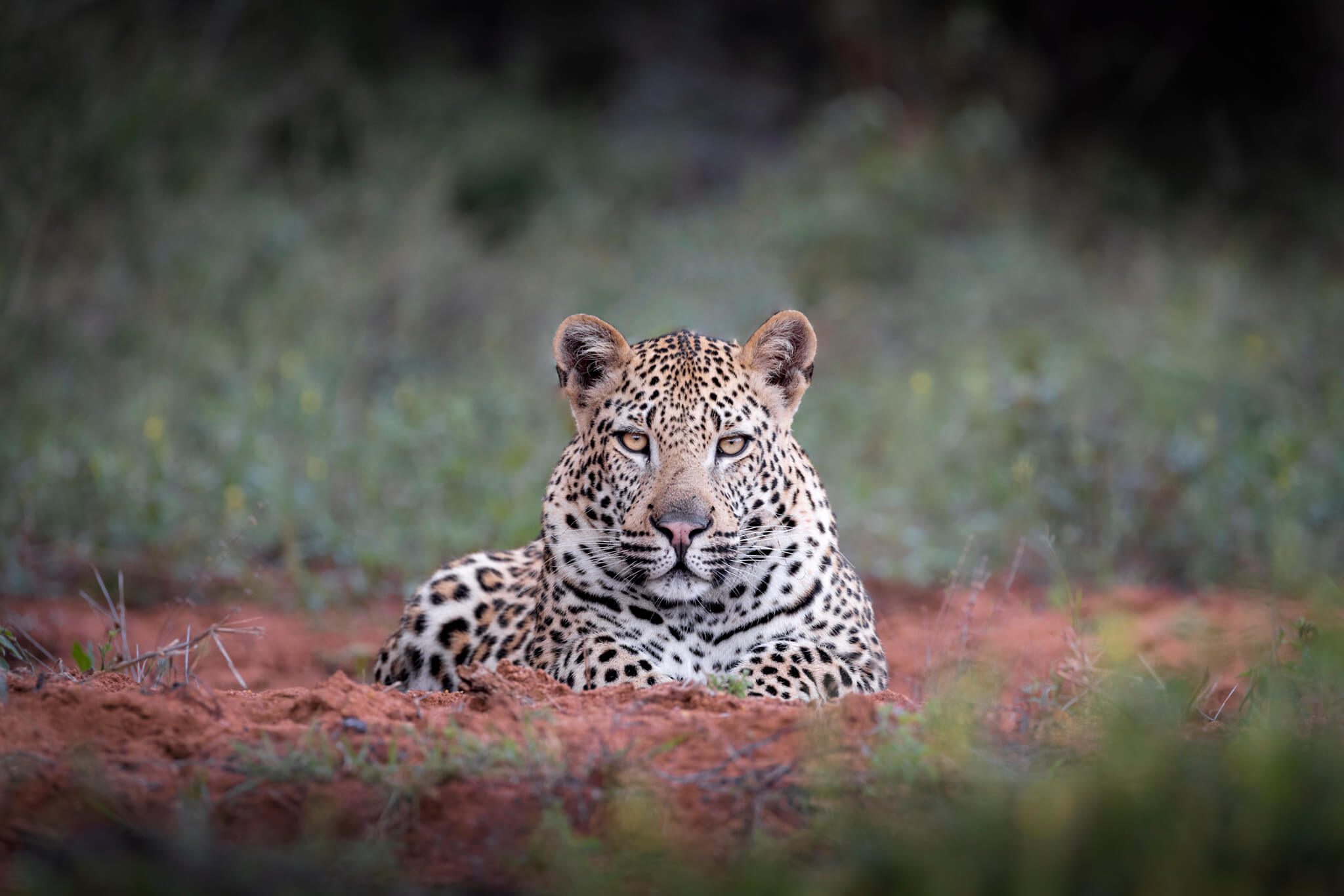
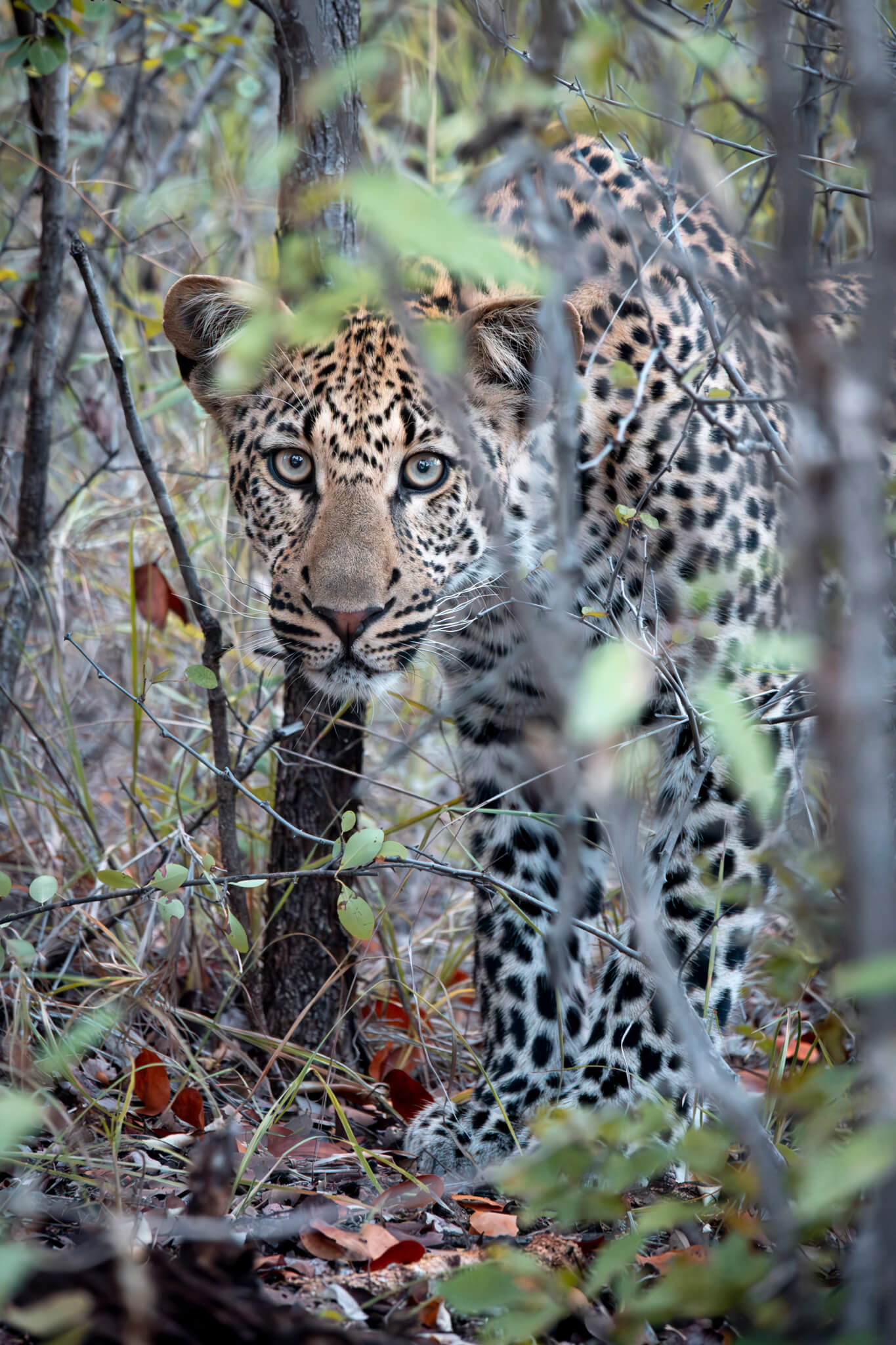
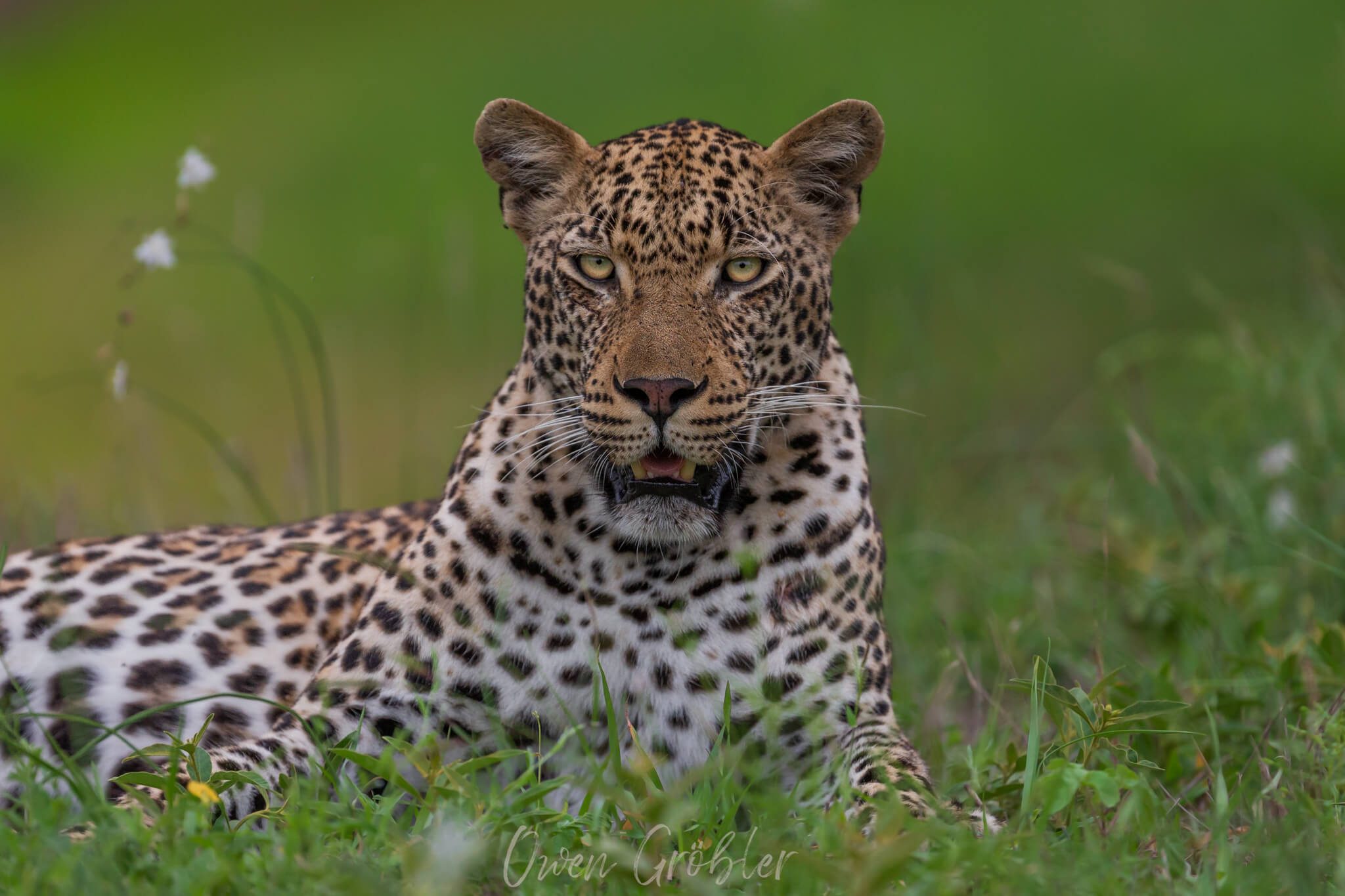
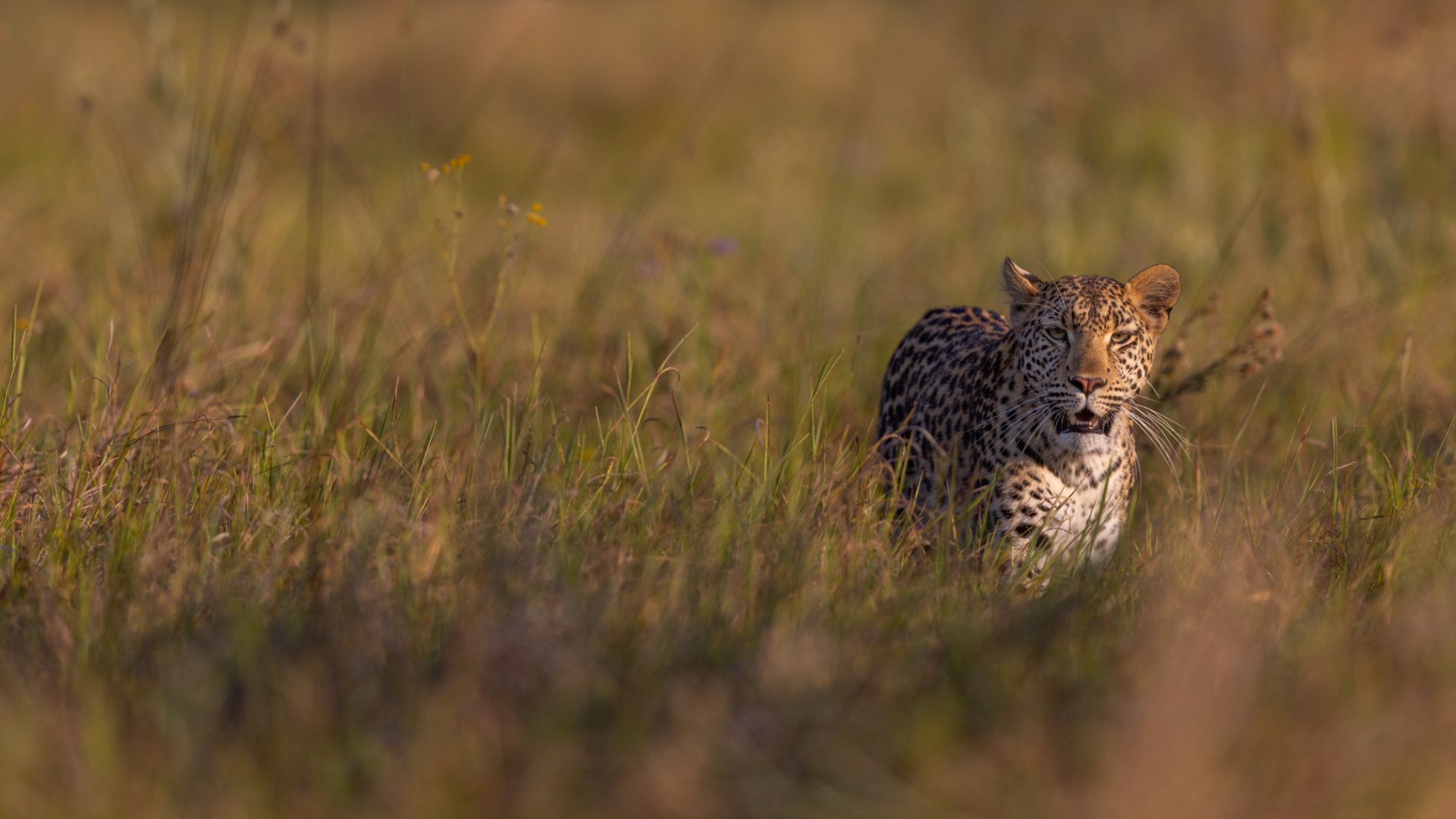
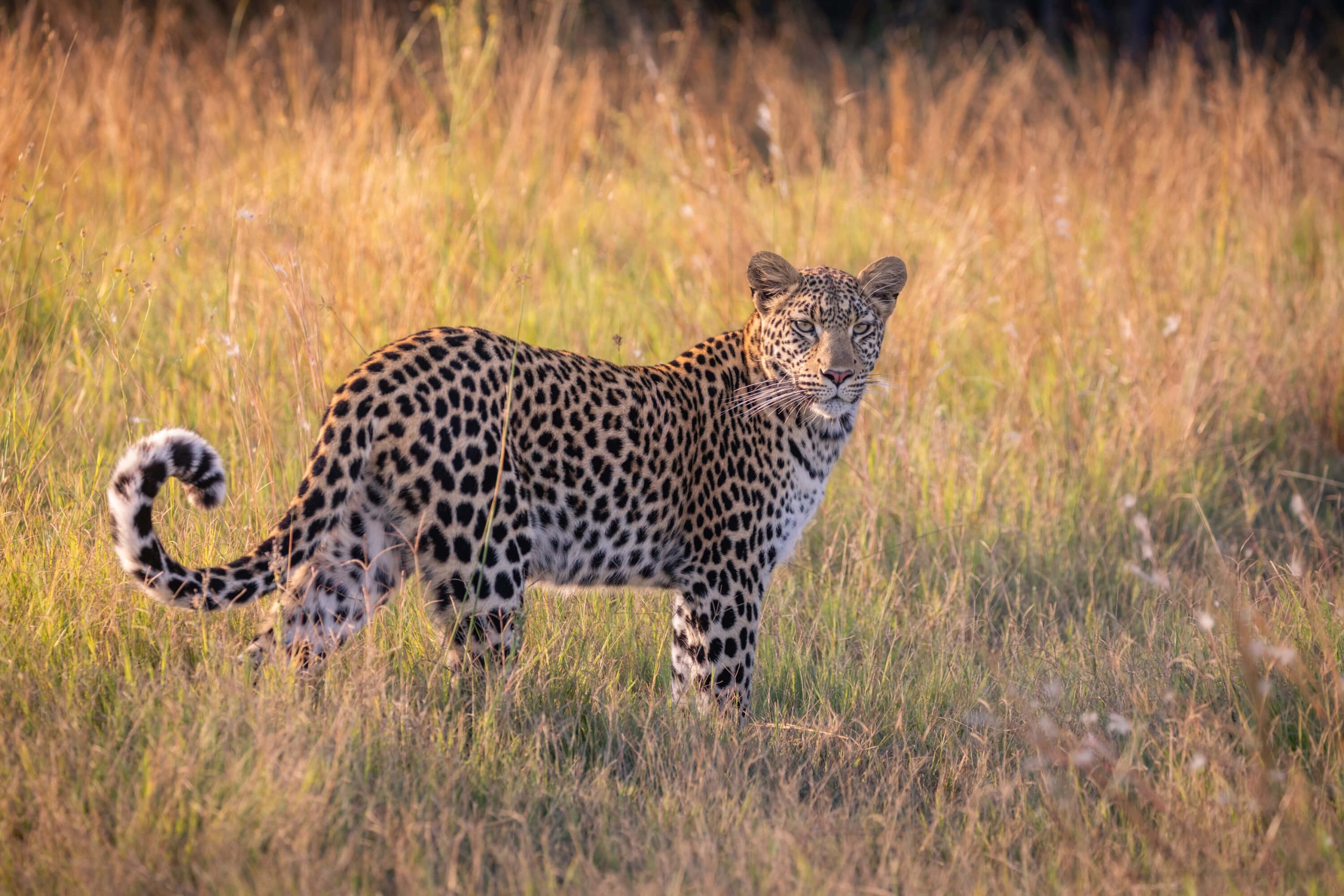
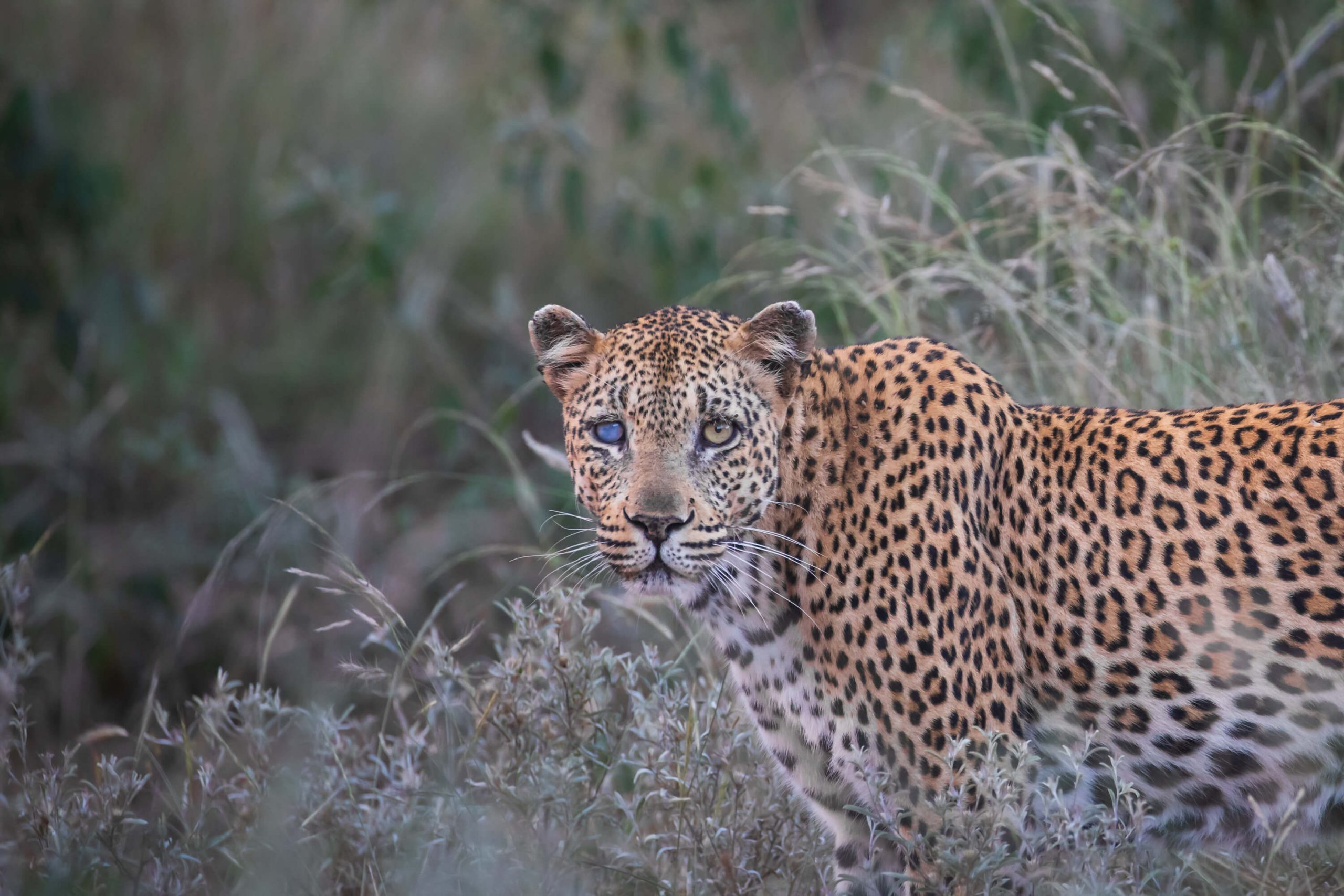
Leopards face many threats in Zimbabwe and regionally, from poachers snares to habitat loss due to human overpopulation which can result in incidents of human-wildlife conflict.
To protect these beautiful cats we believe more research into accurate population numbers, better understanding of their behaviours and working together with communities living among these animals is crucial.
Research published by scientists in 2023 noted that:
The IUCN Red List categorizes the species Panthera pardus as Vulnerable because populations have decreased due to habitat loss and fragmentation, poaching for the illicit trade in skins and other body parts, and persecution due to conflict situations.
November 2023
Join our research programme where volunteers will play a key role in the collection and analysis of trail-cam data, you can expect to spend hours in the field with a scout and the Searching for Spots facilitator on tracking expeditions and data collection.