
Heeding the necessity to diversify and having seen the passion that Owen has for leopards and the preservation of their species, Cawston have stopped all leopard hunting and with your help we aim to make our volunteer and research programme successful and popular enough to generate the required economic benefit to compensate. We cannot achieve this without your support and effort. As this journey evolves we aim for volunteer and eco-tourism to have a major role in the conservation of this land.
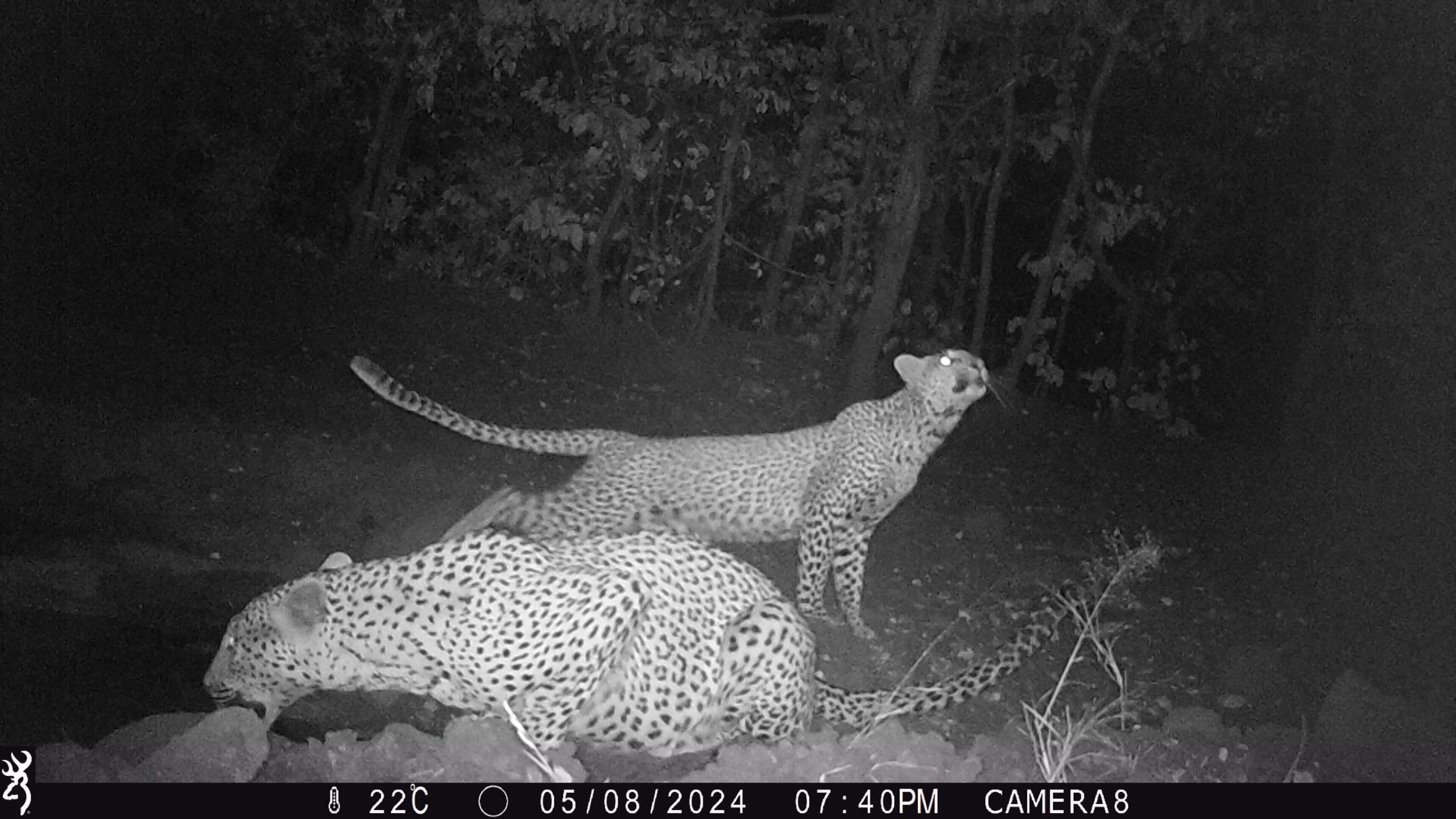
This programme is integral to the Searching For Spots offering as leopards are a keystone species and are a highly valued animal globally. With this in mind an additional aim for the project is to bring an identity to the leopards on Cawston, enabling people to spend time in the presence of these magnificent cats in their natural environment. In many instances such experiences have been life altering for people.
The reserve is an enclosed system, situated 60 km’s north of the city of Bulawayo, where leopards are the property’s apex predator. Enclosed systems require careful management of game numbers, as the animals no longer have the freedom to migrate naturally and therefore an overpopulation of animals within an enclosed environment will be ecologically detrimental. The property was purchased in 1987, since its inception, Cawston has primarily been a working game farm and utilised responsible and ethical hunting to sustain the land. However the relentless hikes in the cost of living in Zimbabwe makes constant adaptation a necessity. Simply put, hunting can no longer cover the costs and hunting more animals than necessary in this closed system is not a viable long term plan. The land owner is a firm believer in the precautionary principle and this founded their agreement with Searching For Spots.
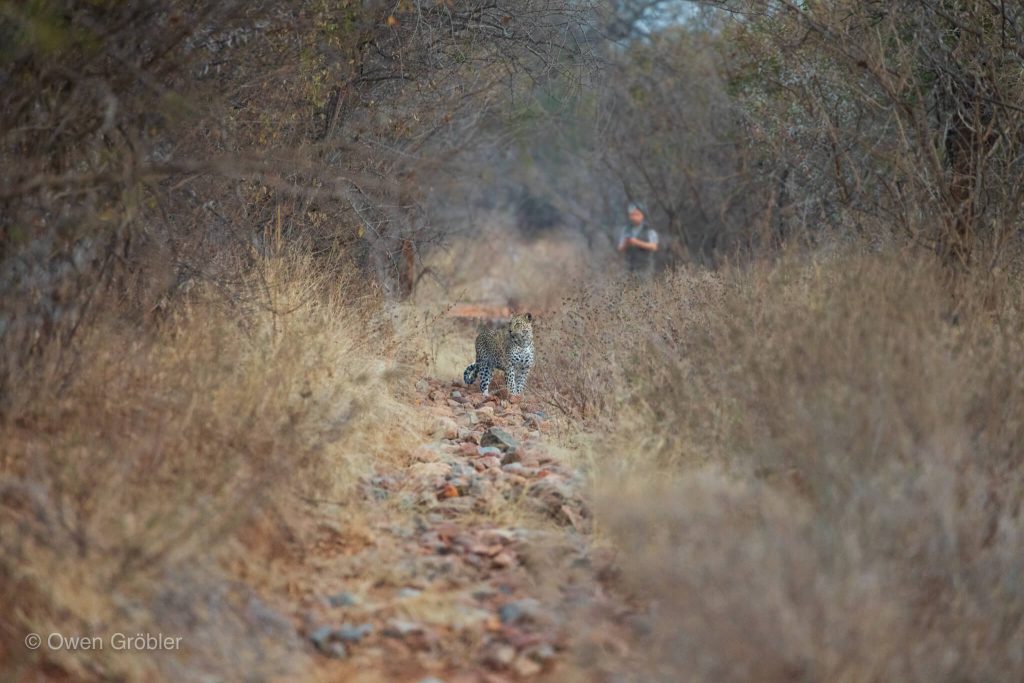
Volunteers will play a key role in the collection and analysis of trailcam data, they can expect to spend hours in the field with a scout and the Searching for Spots facilitator on tracking expeditions and data collection.
Leopards are a high value and charismatic species, cherished globally by safari goers and wildlife photographers. Volunteers will have hands-on experience conducting leopard research on Cawston. Every day you will be tracking and monitoring the different individuals, entering the information into our databases and helping us to further understand population dynamics as well as assisting in developing a simple method of leopard population counts that can be used in other areas. Most importantly you will get to do community outreach and teaching in our local schools about leopards and their importance in the ecosystem.
While volunteering your key activities can be broken down as follows:
Volunteers will engage with schools and communities in the surrounding areas and through the use of activities such as sports, game drives, animal interaction and storytelling we will consistently strengthen relations with community members, young and old, while working together to conserve the people’s natural heritage.
The outreach programme will primarily focus on the children in schools, aiming to nurture their love for nature and highlight how humankind and nature are interlinked.
PROJECT | DATES | DURATION | PRICING |
2024 | |||
Leopard Research | 30 September - 14 October | 2 weeks | US$ 2 300 |
Leopard Research | 28 October - 11 November | 2 weeks | US$ 2 300 |
Leopard Research | 25 November - 9 December | 2 weeks | US$ 2 300 |
2025 | |||
Leopard Research | 13 January - 27 January | 2 weeks | US$ 2 300 |
Leopard Research | 10 February - 24 February | 2 weeks | US$ 2 300 |
Leopard Research | 10 March - 24 March | 2 weeks | US$ 2 300 |
Leopard Research | 28 April - 12 May | 2 weeks | US$ 2 300 |
Leopard Research & Wildlife Photography | 16 June - 30 June | 2 weeks | US$ 2 300 |
Leopard Research | 21 July - 3 August | 2 weeks | US$ 2 300 |
Leopard Research & Wildlife Photography | 25 August - 8 September | 2 weeks | US$ 2 300 |
Leopard Research | 15 September - 29 September | 2 weeks | US$ 2 300 |
Leopard Research | 20 October - 3 November | 2 weeks | US$ 2 300 |
Leopard Research | 17 November - 1 December | 2 weeks | US$ 2 300 |
Looking for more information and details about our volunteer programmes and community outreach. Read our FAQ’s for the answers your seek.